
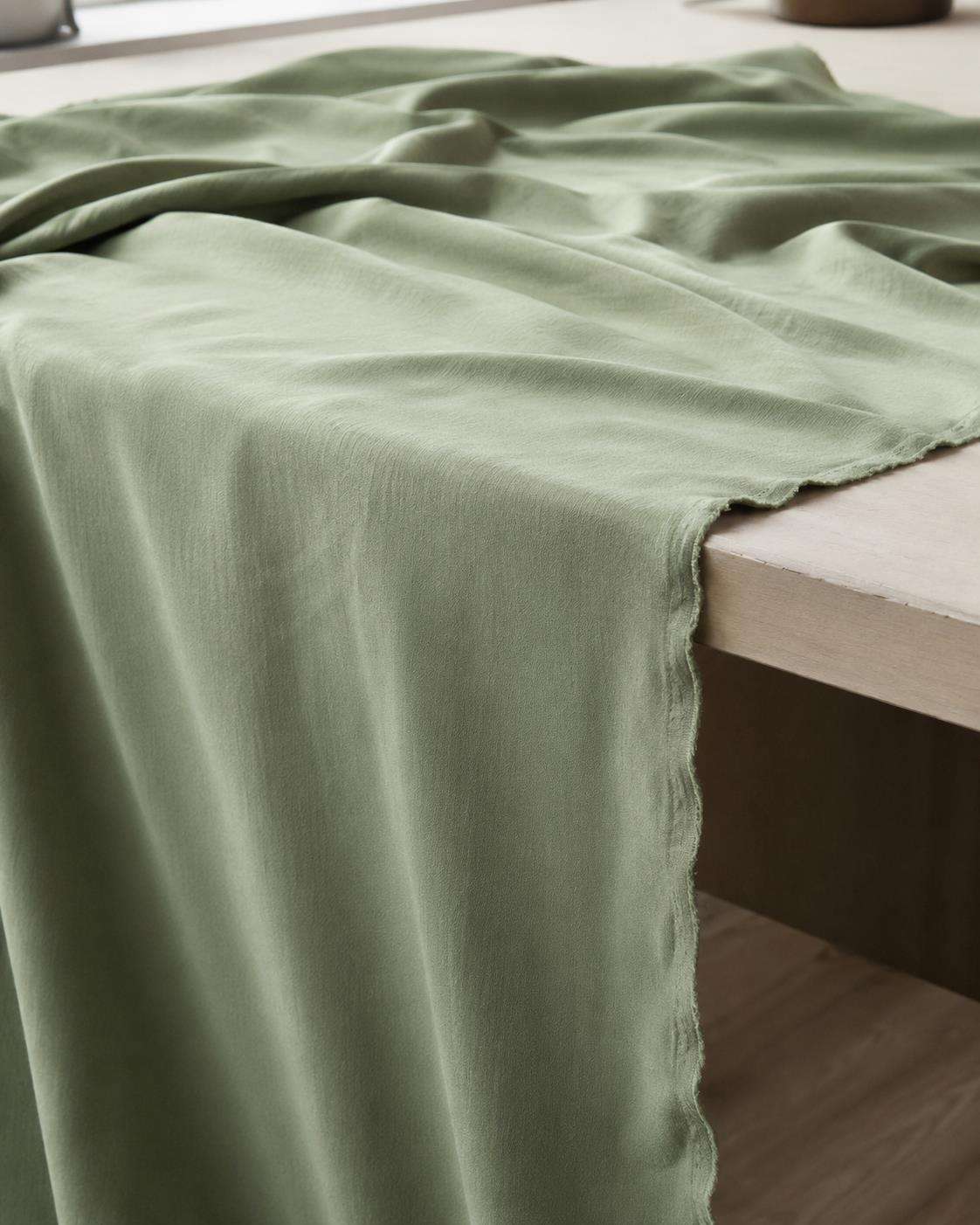
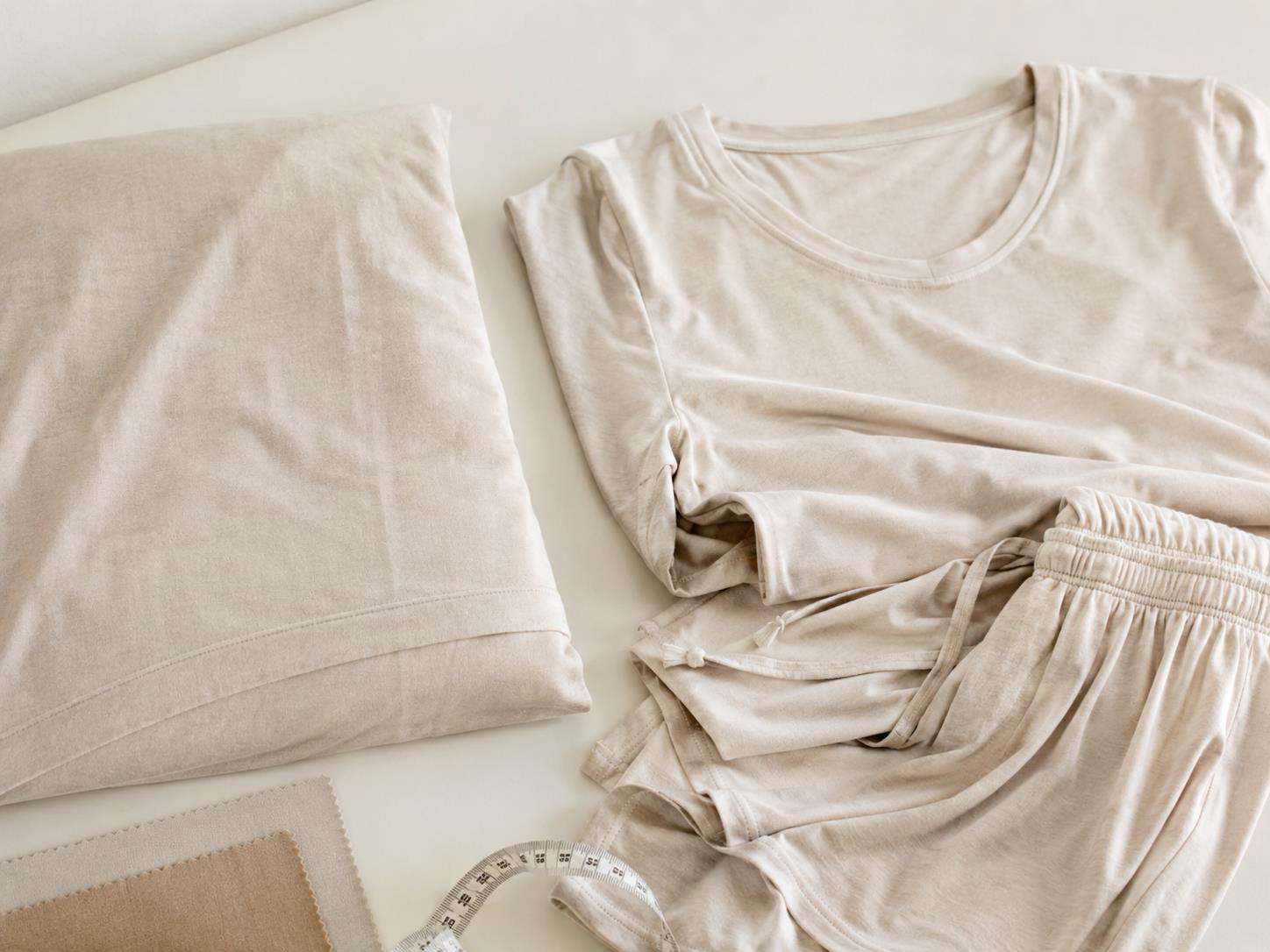
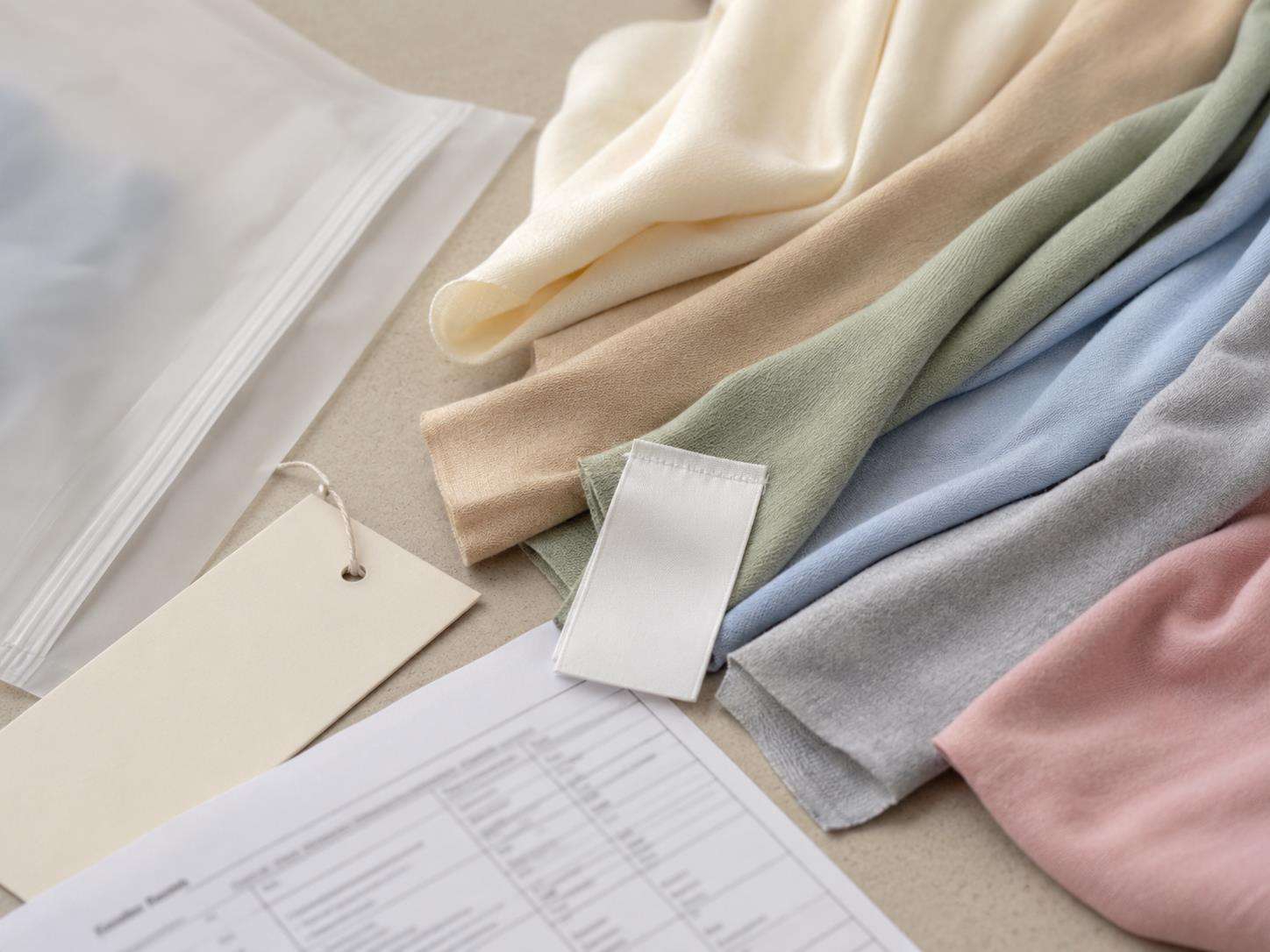
Custom Bamboo Fabric Factory for Wholesale Orders
JacketTex is a bamboo-derived fabric supplier for wholesale sourcing and OEM/ODM product development. Buyers can confirm viscose or rayon made from bamboo, lyocell made from bamboo, or a confirmed blend by exact composition, GSM, construction, width, color and finish, with fabric swatches available before sampling and bulk production.
What Is Bamboo Fabric Made Of?
Most bamboo fabric used in apparel is regenerated cellulose. Bamboo is processed into pulp, dissolved and spun again as viscose, rayon or lyocell fiber. The bamboo source alone does not fix how the fabric feels: fiber type, blend, construction, GSM and finish determine softness, stretch, drape and wash behavior.
Source: Bamboo Cellulose
The starting material comes from bamboo pulp, but the finished textile is usually a regenerated cellulosic fiber rather than raw bamboo strands.
Fiber: Viscose or Lyocell
Most soft bamboo-derived apparel fabrics use viscose or rayon made from bamboo. Confirm the generic fiber name, exact percentages and any separate lyocell or blend direction.
Build: Woven, Knit & GSM
Knit or woven construction, GSM and finishing determine stretch, drape, opacity and hand feel. Check shrinkage, pilling and colorfastness on the selected sample.
Bamboo Fabric Specifications by Fiber and Construction
Compare bamboo-derived fabric options by fiber composition, construction, GSM, hand feel and recommended end use.
| Material Direction | Specification Focus | Feel & Body | Common Product Direction |
|---|---|---|---|
| Viscose / Rayon Made from Bamboo | Confirm generic fiber | Soft, absorbent and fluid | Sleepwear, loungewear and pillowcases |
| Bamboo Blend | Confirm every percentage | Body and stretch depend on the blend | Stretch sleepwear, casual apparel and soft sets |
| Lyocell Made from Bamboo | Confirm process and source | Smooth and fluid | Premium regenerated-cellulose projects |
| Buyer-Specified Bamboo Blend | Confirm every fiber and percentage | Depends on the selected blend and construction | Custom apparel, sleepwear or home-textile programs |
Do not rely on the word “bamboo” alone. Confirm the generic fiber name, exact percentages, GSM, usable width, shrinkage, pilling, colorfastness and supporting documents for the selected material.
Bamboo Fabric Selection and Product Quality Control
JacketTex confirms the bamboo-derived fabric's generic fiber name, composition, GSM and construction before sampling, OEM/ODM production and final inspection.
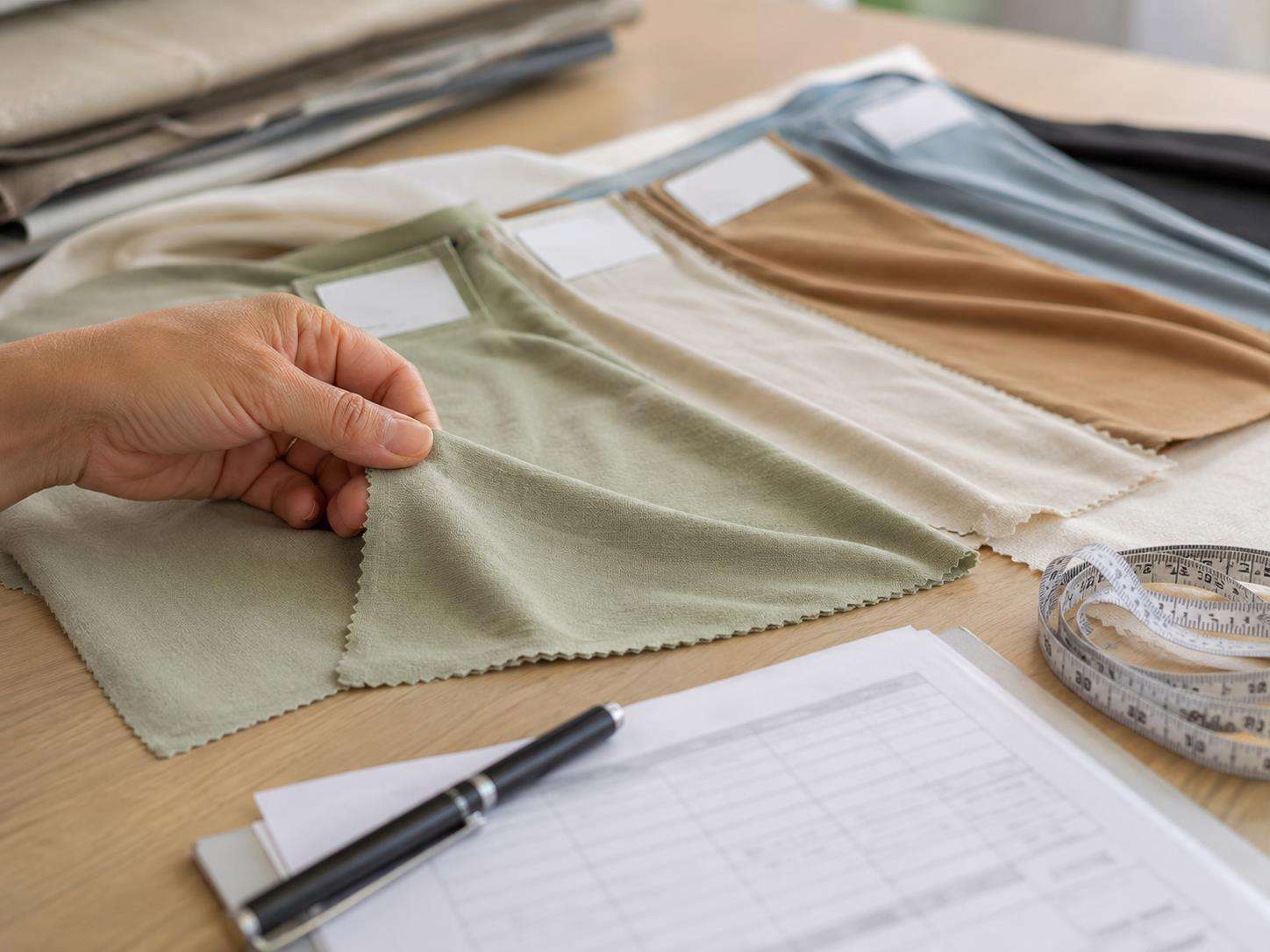
Bamboo Fabric Specification Approval
JacketTex confirms bamboo-derived fabric by generic fiber name, exact composition, GSM, construction, width, color and finish against the approved material and sample. Fabric swatches, color cards and available supporting documents can be reviewed before bulk production.
From Bamboo Fabric Approval to Bulk Production
After the fabric and product details are approved, JacketTex handles OEM/ODM sampling, private labels, packaging and bulk production with final inspection. See how custom colors, prints, logos and labels support a coordinated bamboo product program.
Bamboo Viscose Fabric vs. Cotton and Silk Modal
Compare bamboo viscose, cotton and silk-modal fabric by composition, construction, surface, sheen, drape and relative fabric cost. Confirm the generic fiber name, exact percentages, GSM and finished hand on a physical swatch.
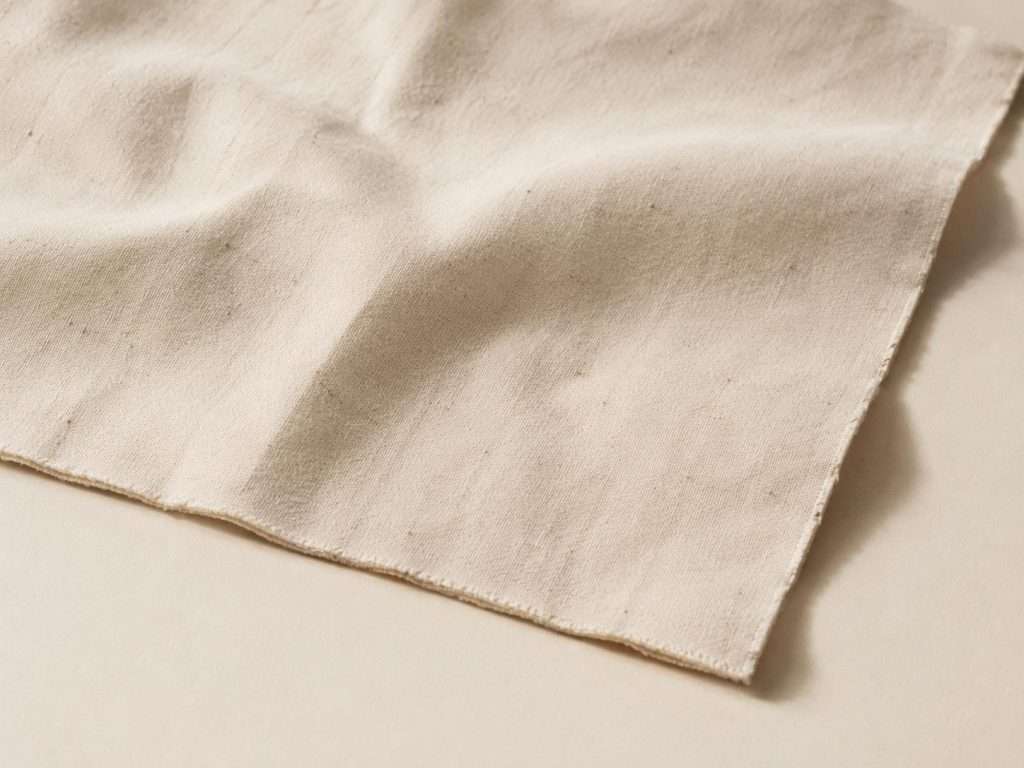
Cotton Fabric
Breathable, absorbent and versatile, Cotton Fabric supports shirts, casual apparel, sleepwear and bedding.
View More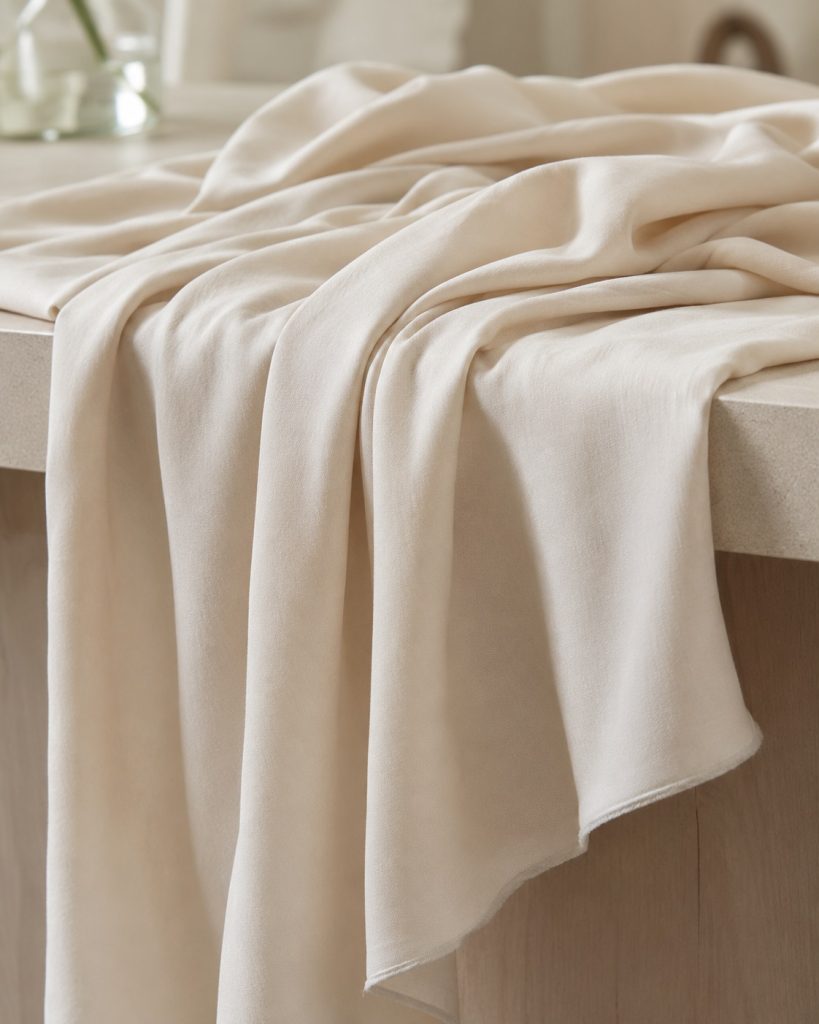
Silk Modal
Fluid, soft and absorbent, Silk Modal adds comfortable drape for sleepwear, tops and relaxed separates.
View More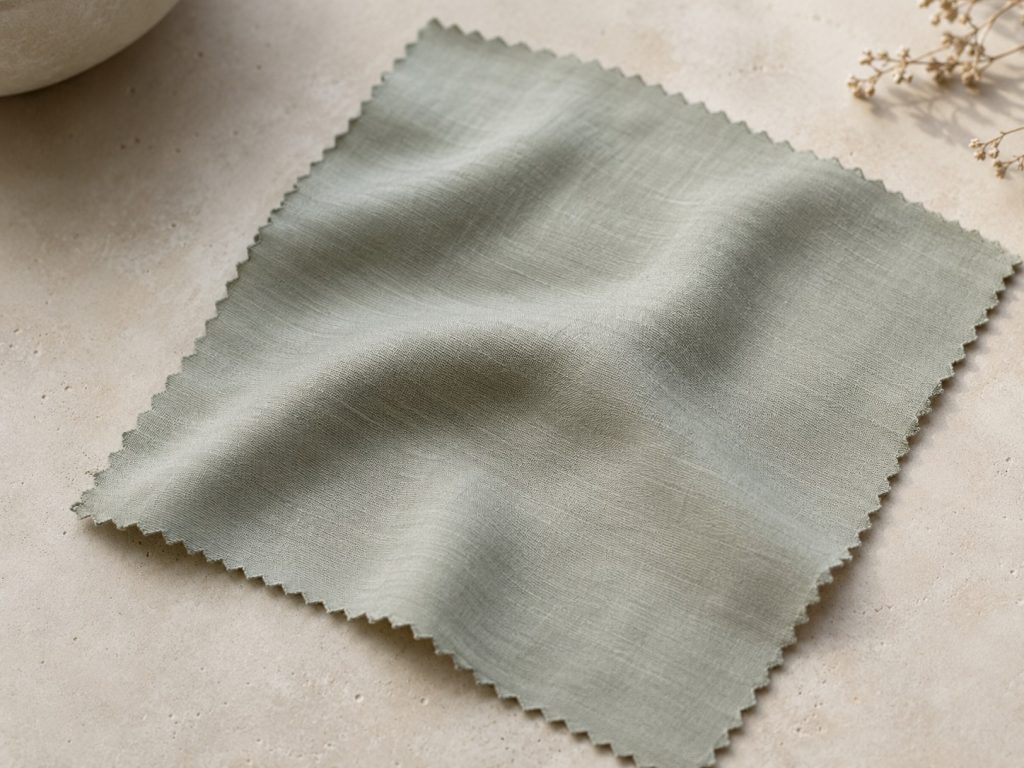
Silk Tencel
Smooth and breathable, Silk Tencel combines silk luster with lyocell comfort for fluid apparel and loungewear.
View More| Attribute | Bamboo Viscose Fabric | Cotton Fabric | Silk Modal |
|---|---|---|---|
| Fabric Composition | Viscose Made from Bamboo | 100% Cotton | Common: 20% Silk / 80% Modal |
| Weave | Woven or knit construction | Plain weave (common) | Woven or knit construction |
| Surface | Smooth, soft and even | Soft, matte and lightly textured | Smooth, soft and clean |
| Sheen | Low–subtle | Low to matte | Low–subtle |
| Drape | Soft and fluid | Moderate; weight-dependent | Very soft and fluid |
| Relative Fabric Cost | Low–moderate | Low | Moderate |
What Products Are Bamboo Viscose Best Suited For?
Bamboo viscose offers a smooth hand and fluid drape for pajamas, robes, pillowcases and coordinated sleep sets. Confirm the generic fiber name, GSM, construction and care performance for the selected product.
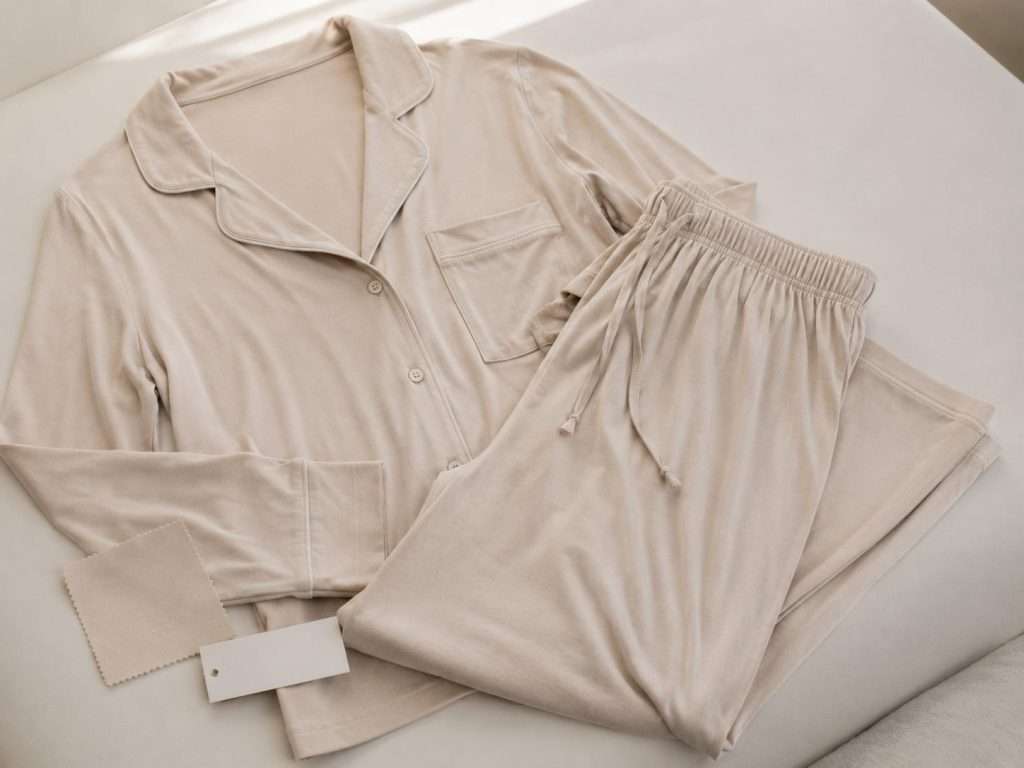
Bamboo Fabric Sleepwear & Robes
Fluid drape supports relaxed pajamas and robes; check recovery, seam stretch and wash shrinkage for the chosen knit or weave.
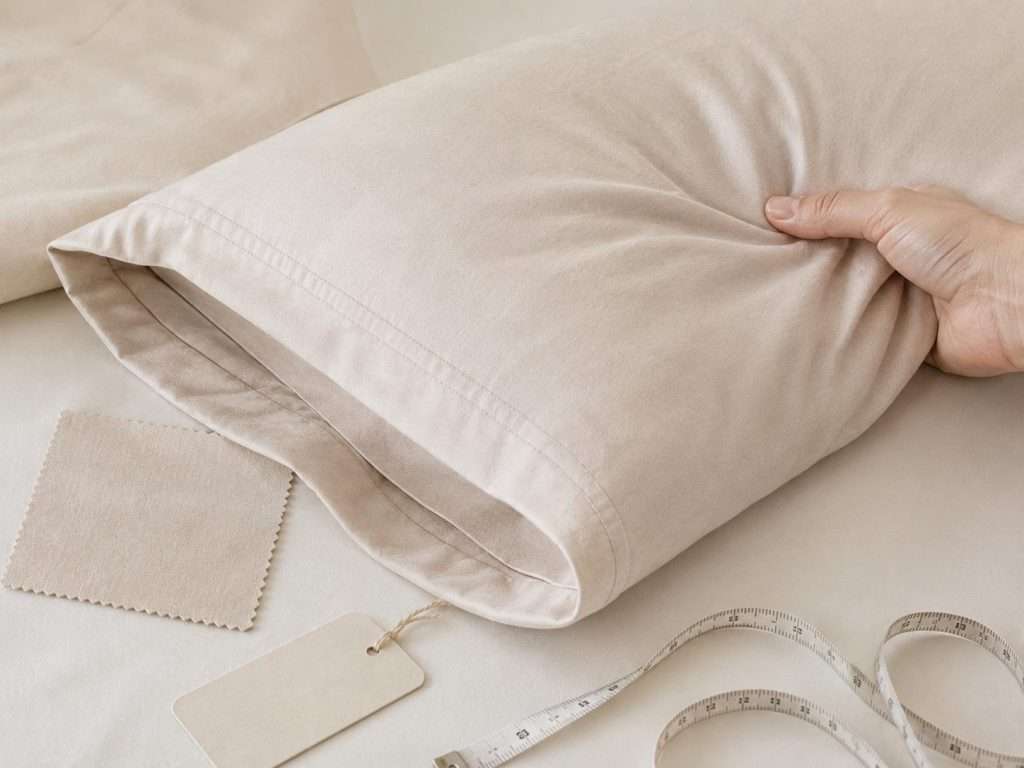
Bamboo Fabric Pillowcases
A smooth, absorbent surface suits soft bedding, while colorfastness, pilling and dimensional stability protect repeat-order quality.
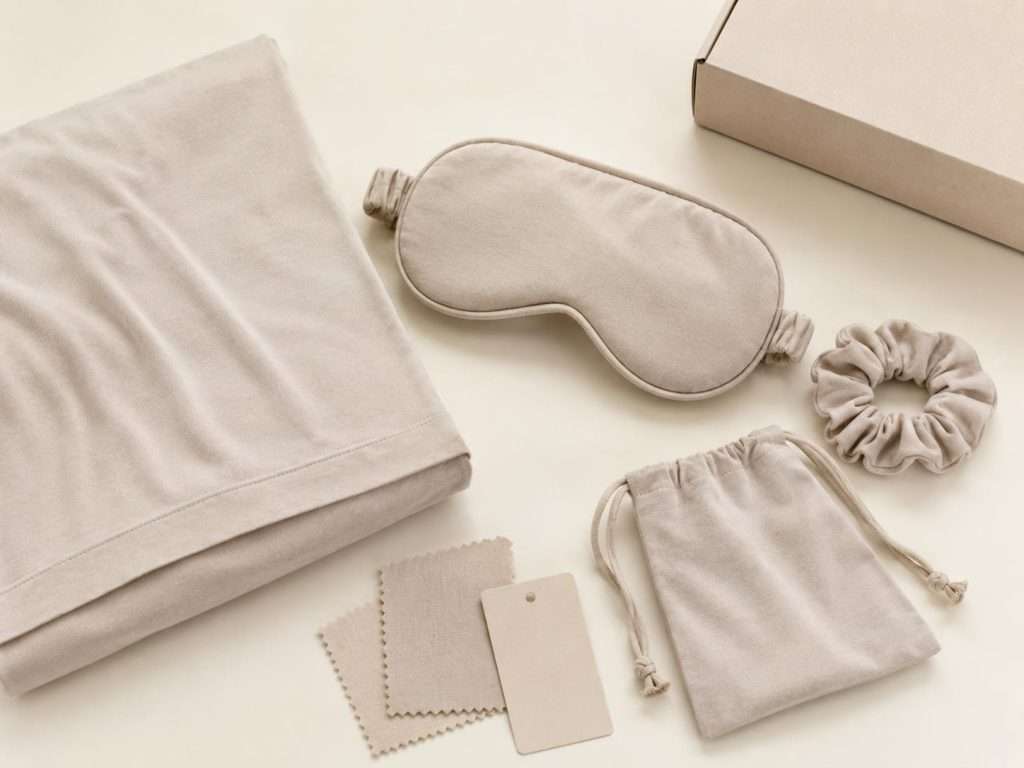
Bamboo Fabric Coordinated Sleep Sets
One approved fabric lot can keep tops, pants and accessories consistent in color, drape and care performance.
Bamboo Fabric FAQs
What is the MOQ for custom bamboo fabric products?
Finished-product MOQ follows the relevant JacketTex product rule: existing home-textile/accessory products or apparel styles can start at 5 pieces, while customized regular products and new custom apparel styles normally start at 50 pieces. Custom bamboo-derived fabric colors, blends, GSM or special constructions are quoted separately because JacketTex does not apply one universal fabric MOQ to every bamboo material.
What is bamboo fabric made of?
Most soft bamboo-derived fabric used for apparel or bedding is rayon or viscose made from bamboo-derived cellulose. Lyocell made from bamboo is another regenerated-cellulose direction. For U.S. labeling and advertising, the exact generic fiber name should be used rather than calling rayon or viscose simply “bamboo.”
Is bamboo fabric breathable?
It can feel comfortable and absorbent, but breathability is not guaranteed by the bamboo name. Airflow and drying depend on fiber blend, knit or weave, GSM, finishing and garment construction, so approve the actual sample.
Is bamboo fabric eco-friendly or naturally antibacterial?
Do not assume either claim. Environmental impact depends on the pulp source and manufacturing process, while antibacterial performance requires evidence for the finished material. Ask for claim-specific documentation.
What is the difference between bamboo viscose and bamboo lyocell?
Both regenerate cellulose into fiber, but their solvent and recovery processes differ. Buyers should compare source documents, construction, hand feel, test results, price and availability for the selected fabric—not rely on the name alone.
What should buyers approve before a bamboo fabric order?
Approve the generic fiber name, exact percentages, GSM, construction, usable width, color, shrinkage, pilling, colorfastness and care instructions on the selected fabric and sample. JacketTex can provide available test reports and supporting documents for review; the exact document scope must be confirmed for the selected material. Factory-level Sedex / SMETA verification can be provided separately.