
Silk Linen Fabric for Custom Summer Apparel
Silk linen is a trade description for fabrics blending silk with linen/flax. There is no single standard blend: hand, sheen, structure, absorbency and wrinkle behavior change with fiber percentages, yarns, weave and finishing.
Share your product type, preferred blend direction and target quantity to begin sampling.
What Is Silk Linen?
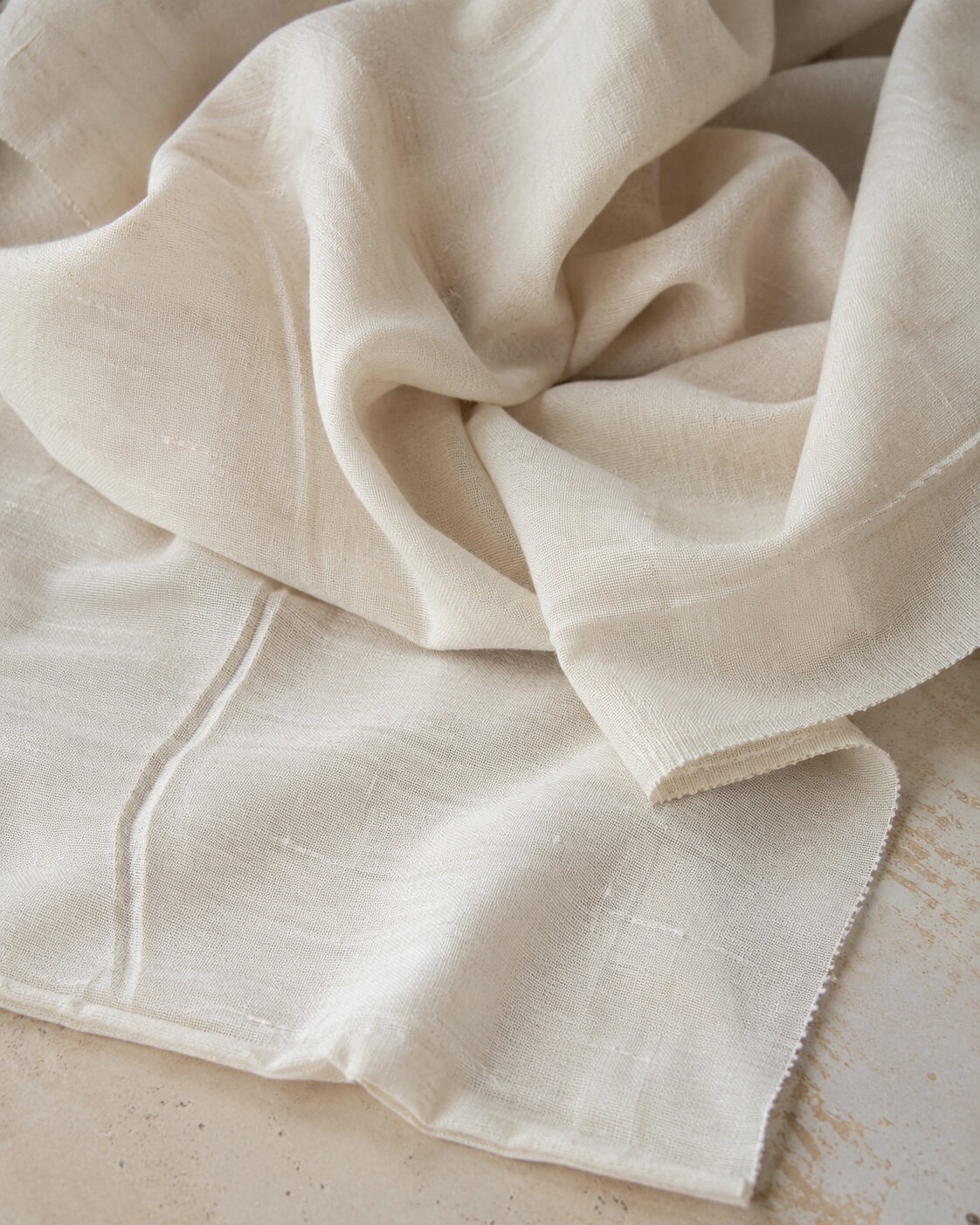
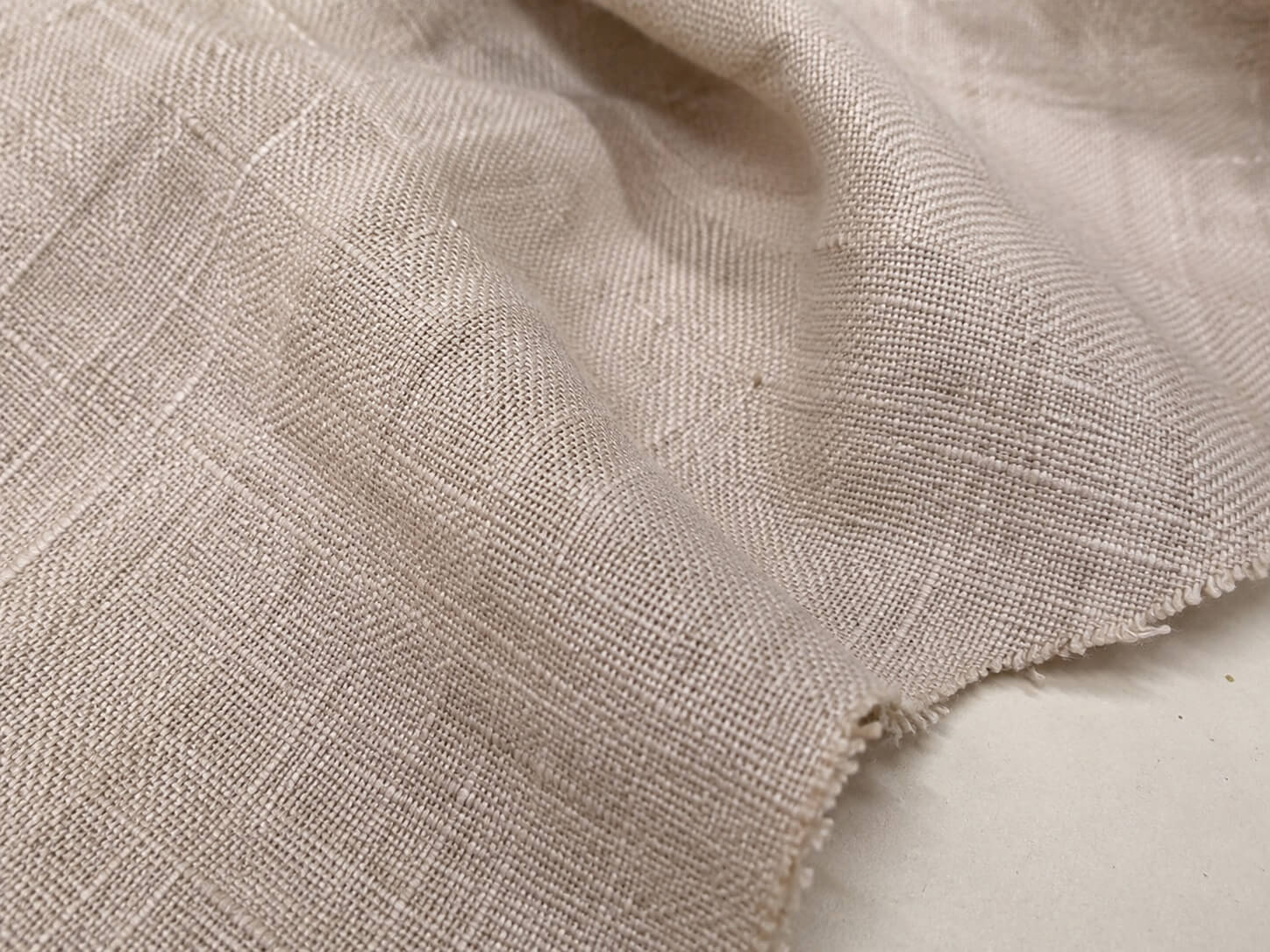
Silk linen is a blend of silk and linen, the natural bast fiber made from flax. It is not one fixed fabric: silk can add softness and subtle luster, while linen adds a drier hand, visible texture and more body. The blend ratio, weight, weave and finish determine the final balance.
Fibers: Silk + Flax
Silk is a natural protein fiber; linen is a natural plant fiber from flax. The exact percentage of each fiber should be stated.
Hand: Soft & Textured
Silk can soften the hand and add fluid drape, while linen contributes slubs, structure, breathability and a relaxed natural appearance.
Spec: Blend Ratio & GSM
Blend ratio and GSM change the weight, opacity and price. Shrinkage, wrinkles and surface character should be approved by sample.
Silk Linen Blend Ratios and Fabric Characteristics
Compare common silk-linen blend ratios by surface character, hand feel, drape and recommended end use.
| Typical Blend Ratio | Presented Effect | Hand & Drape | Common Product Direction |
|---|---|---|---|
| 20% Silk / 80% Linen | Linen-led, matte and visibly textured | Dry, crisp and structured with limited fluidity | Shirts, summer dresses, light tailoring and home accents |
| 25–30% Silk / 70–75% Linen | Balanced natural texture with softened luster | Breathable, lightly crisp and easier-flowing than linen-rich cloth | Blouses, resort wear, relaxed dresses and summer suits |
| 50% Silk / 50% Linen | More polished with clear silk sheen and retained linen character | Softer, fuller and more supple with medium body | Premium dresses, jackets, occasion separates and decorative textiles |
| 70% Silk / 30% Linen | Silk-led surface with restrained slub texture | Smoother, more fluid and lustrous with lighter linen crispness | Scarves, refined blouses, occasion apparel and luxury accessories |
These are market-observed reference ratios, not a stock guarantee. Weave, yarn size, GSM, washing and finishing can materially change the result. Confirm the exact fiber percentages, test report, usable width, shrinkage and approved sample before quotation or production.
Silk Linen Product Development and Quality Control
JacketTex confirms the silk-linen blend ratio, GSM, surface character and product requirements before sampling, custom development and bulk production.
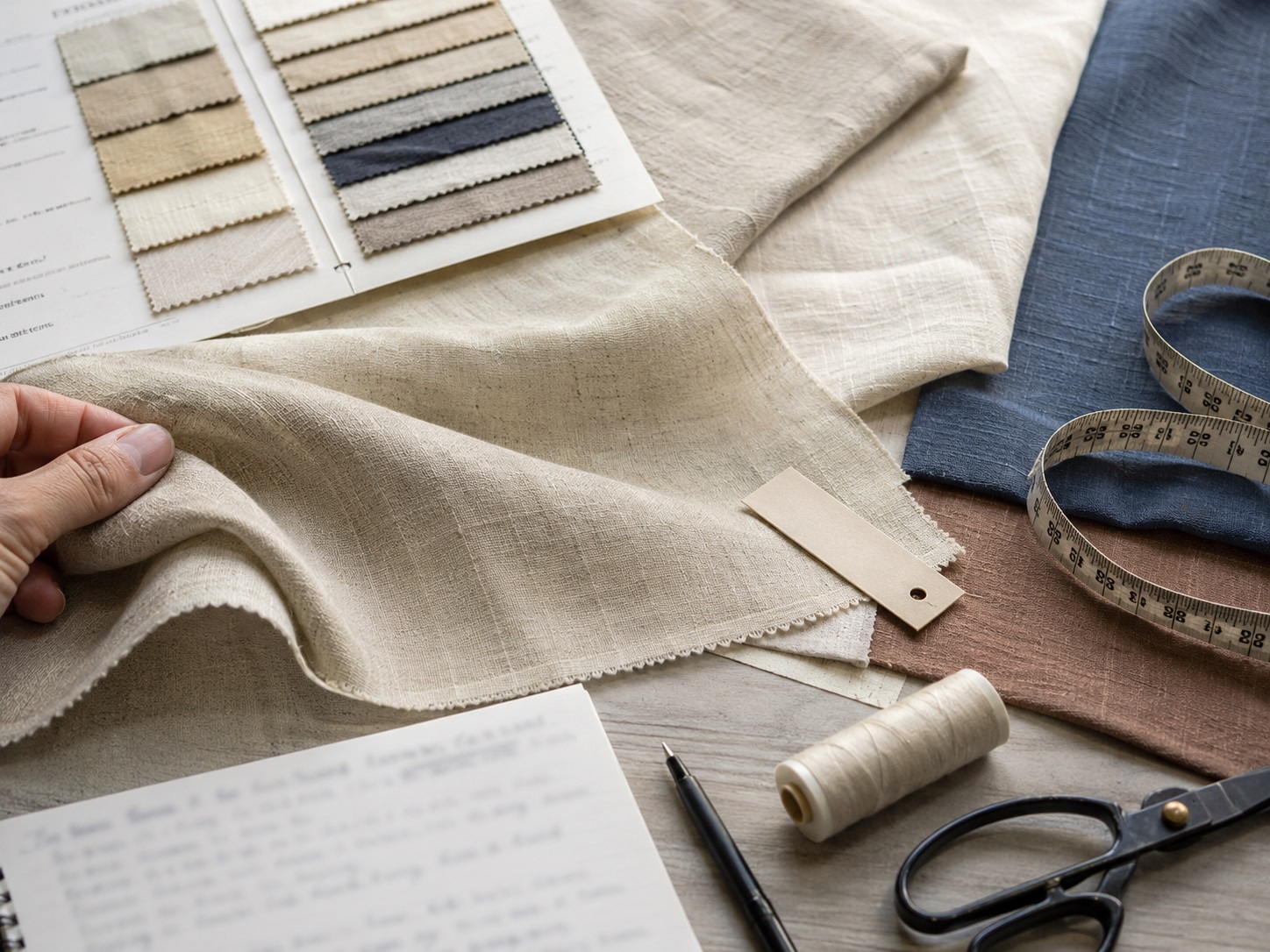
Silk Linen Blend and Sample Approval
JacketTex confirms the silk linen blend ratio, slub character, fabric weight, shrinkage and wrinkle recovery against the approved fabric and sample before bulk production.
From Silk Linen to Finished Products
JacketTex has supported custom product development since 2013. Silk linen orders can start with MOQs as low as 5 pieces, followed by sample approval for fit, texture, shrinkage and finishing. See how coordinated silk shirts and wide-leg pants create a complete wholesale collection.
Silk Linen vs. Silk Tencel and Silk Modal
Compare silk-linen, silk-lyocell and silk-modal fabric by composition, construction, surface, sheen, drape and relative fabric cost. Blend ratio, yarn, GSM and finishing affect the final result, so approve the selected fabric with a physical swatch.
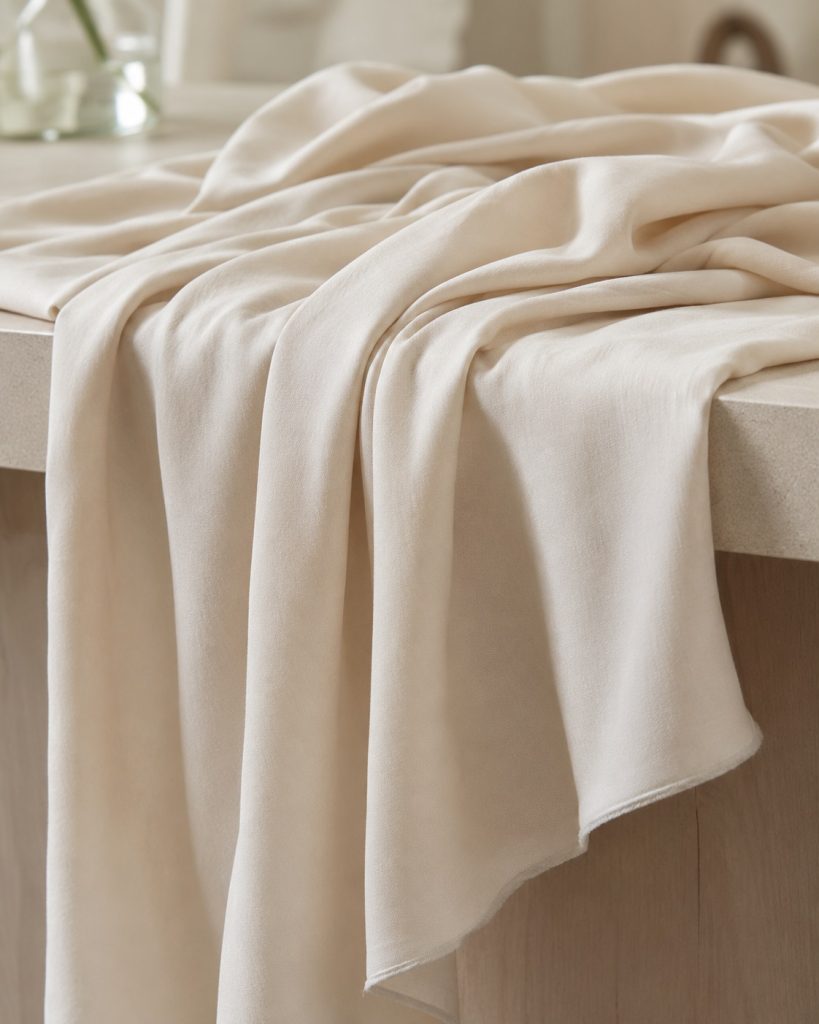
Silk Modal
Fluid, soft and absorbent, Silk Modal adds comfortable drape for sleepwear, tops and relaxed separates.
View More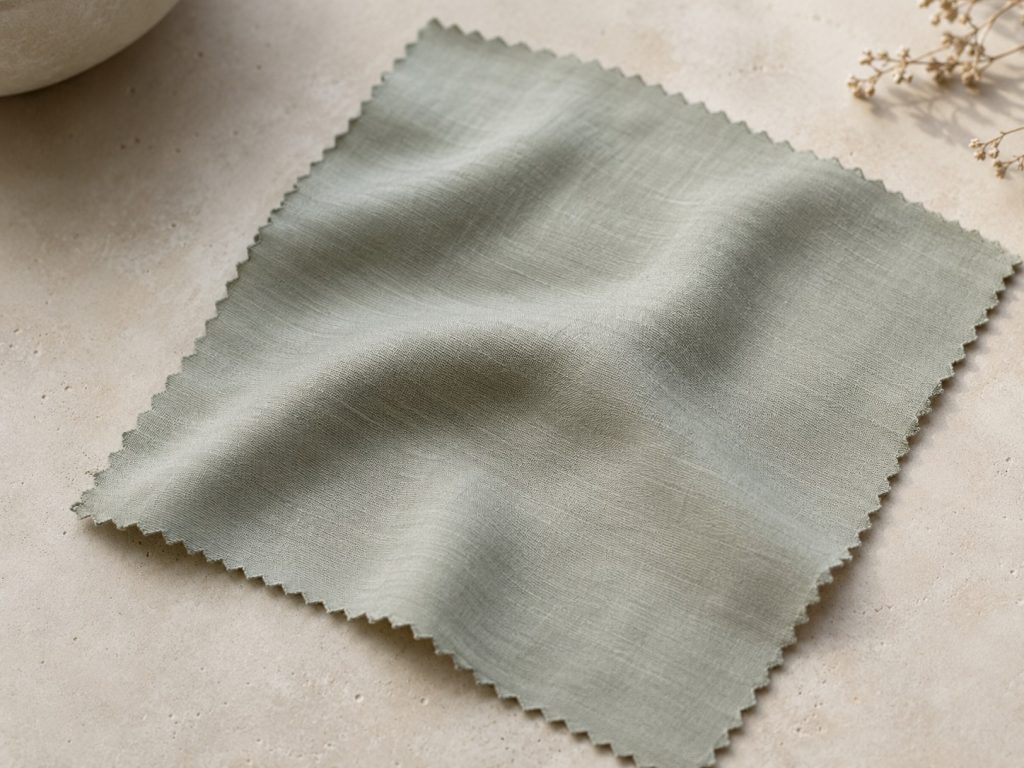
Silk Tencel
Smooth and breathable, Silk Tencel combines silk luster with lyocell comfort for fluid apparel and loungewear.
View More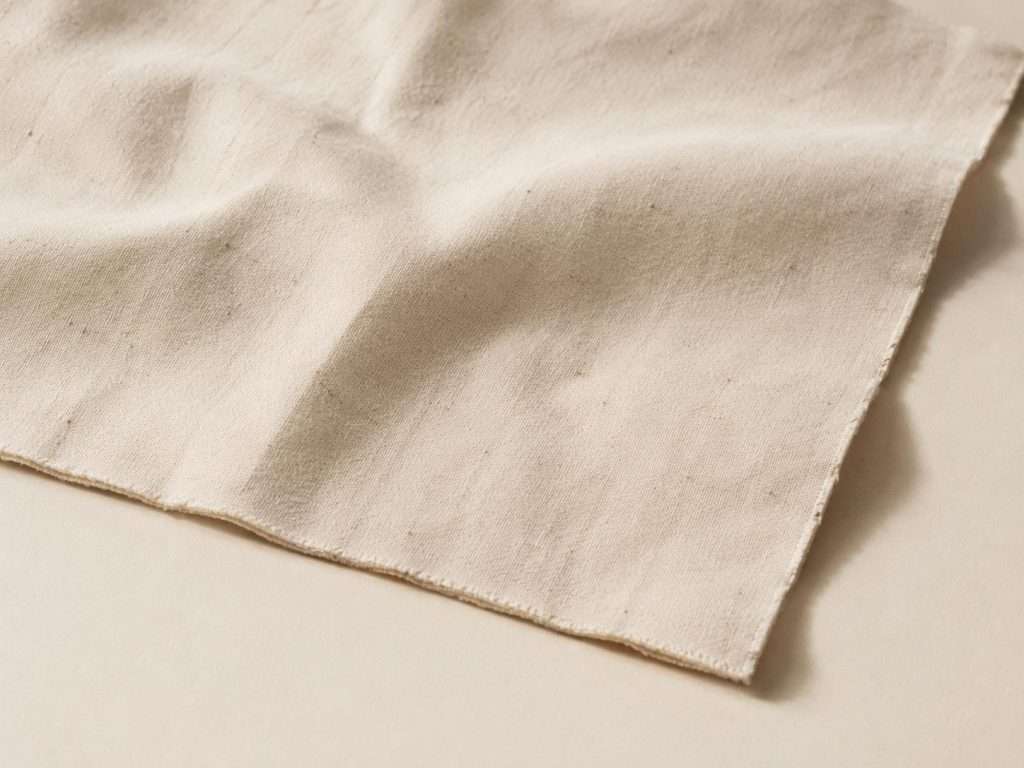
Cotton Fabric
Breathable, absorbent and versatile, Cotton Fabric supports shirts, casual apparel, sleepwear and bedding.
View More| Attribute | Silk Linen | Silk Tencel | Silk Modal |
|---|---|---|---|
| Fabric Composition | Common: 30% Silk / 70% Linen | Common: 25% Silk / 75% Lyocell | Common: 20% Silk / 80% Modal |
| Weave | Plain weave (common) | Woven or knit construction | Woven or knit construction |
| Surface | Dry, slubbed natural texture | Smooth with a clean touch | Smooth, soft and clean |
| Sheen | Low–subtle | Subtle | Low–subtle |
| Drape | Relaxed with light structure | Smooth and fluid | Very soft and fluid |
| Relative Fabric Cost | Moderate–high | Moderate–high | Moderate |
What Products Are Silk Linen Best Suited For?
Silk Linen combines a dry natural texture and breathable body with softer hand and subtle luster for dresses, shirts, trousers and resortwear. Select the blend ratio, GSM and finish according to the required structure and drape.
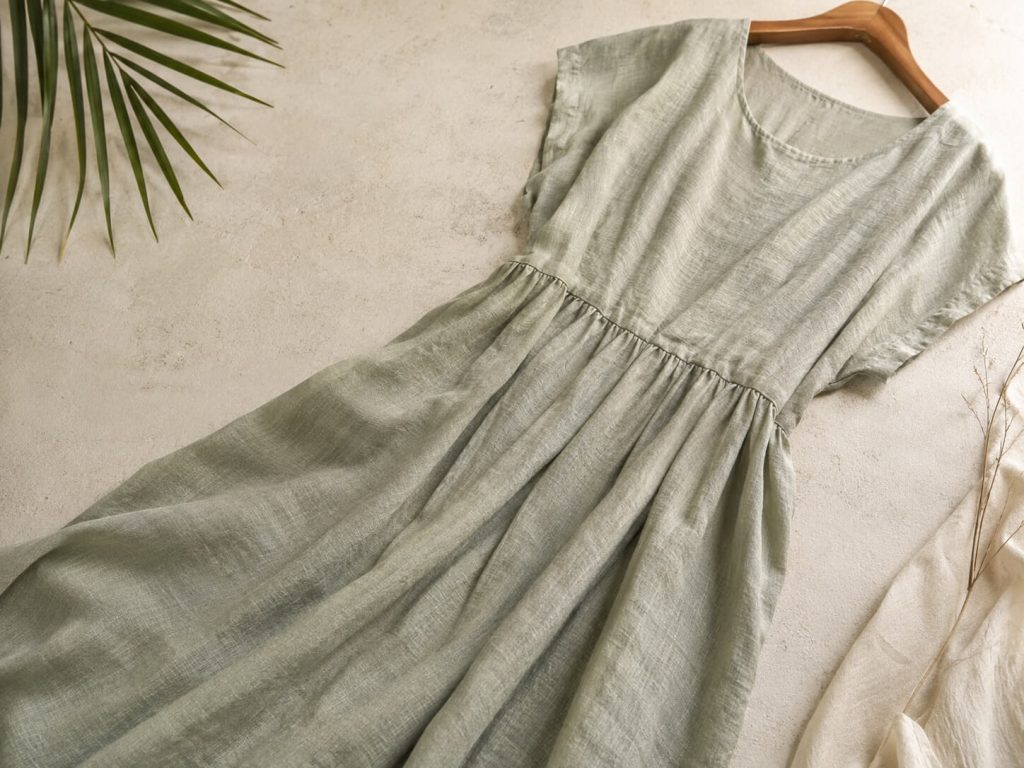
Silk Linen Dress
Natural texture gives summer dresses a relaxed shape, while silk softens the hand and adds subtle sheen.
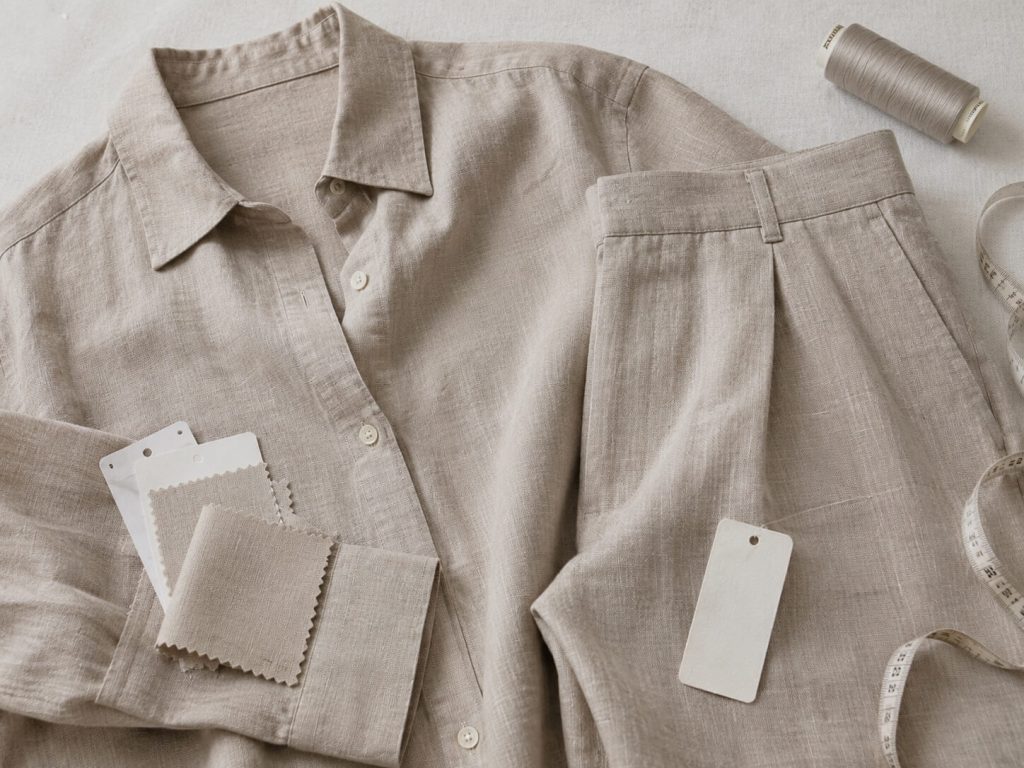
Silk Linen Blouse & Pants
More body than charmeuse helps shirts and trousers hold shape, with a cooler touch for warm weather.
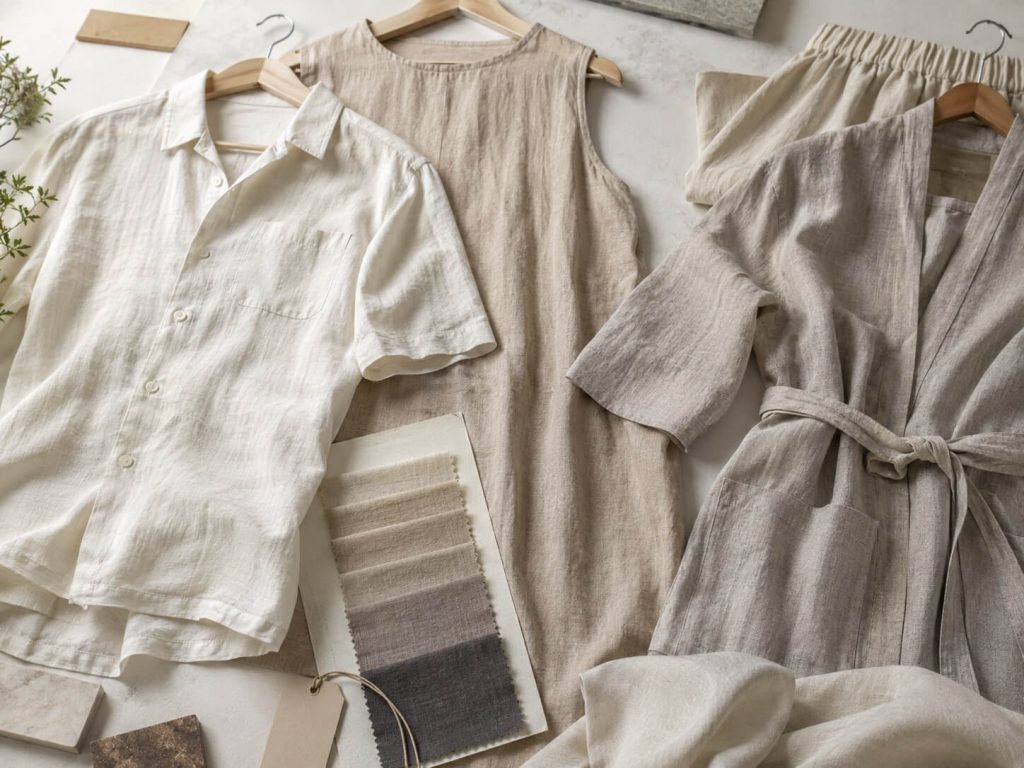
Silk Linen Clothing
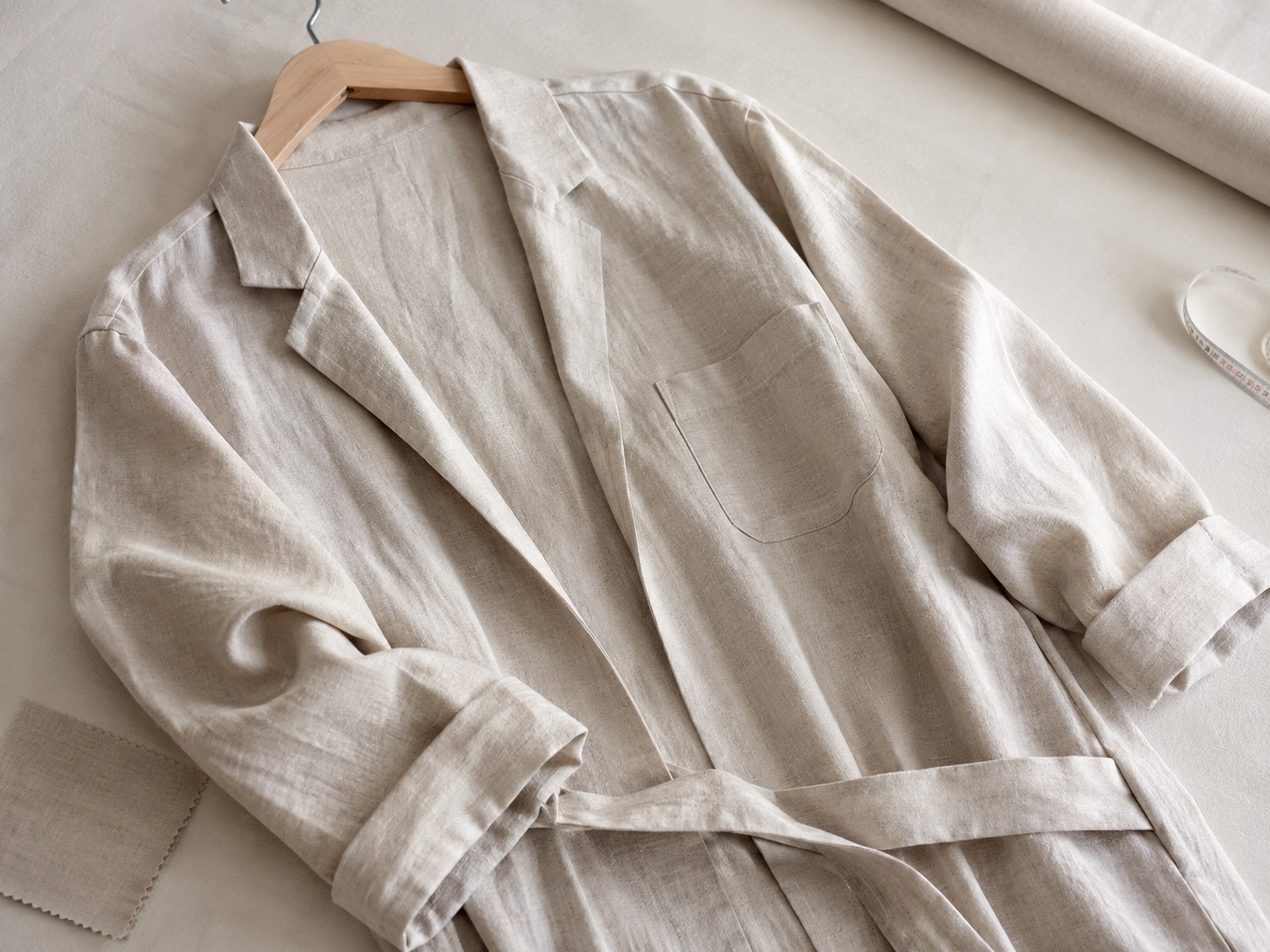
The blend suits shirts, dresses, robes and resort pieces with comfort and premium natural texture.
Silk Linen Fabric FAQs
What is the MOQ for custom silk-linen products?
MOQ depends on the finished product and customization level. Existing JacketTex styles can start at 5 pieces; custom apparel styles, custom logos and customized regular products normally start at 50 pieces. Special blend development, colors, prints or packaging may require a different MOQ.
What is silk linen fabric?
Silk linen is a blend rather than one fixed fabric specification. Silk can add softness and subtle luster, while linen contributes texture, body and durability; the actual result depends on blend ratio, yarn, weave, weight and finish.
Does silk linen wrinkle?
It can wrinkle because linen has limited elasticity, although silk content and finishing may soften the crease appearance. Buyers should test the actual blend after wear, washing or steaming instead of assuming all silk-linen fabrics behave alike.
How is silk linen different from pure silk?
Silk linen is usually drier, more textured and more structured than fluid silk charmeuse or crepe de chine. It can offer a cooler natural look, but buyers should expect visible slub or texture where that is part of the approved fabric character.
Which products suit a silk-linen blend?
The blend can suit summer dresses, shirts, trousers, robes and resort apparel when buyers want natural texture with a more refined hand than pure linen. Weight, opacity and seam construction should match the garment.
How can JacketTex support a silk-linen project?
JacketTex can help buyers confirm the blend ratio, compare hand feel and weight, and sample garments for drape, wrinkles, shrinkage and seam appearance. Approved composition, care labels and packaging can then guide bulk production.